Blog
Best Use Cases for Heavy-Duty Grating
Heavy-duty grating has a higher load bearing capacity than standard-duty options. Learn more about best use cases for heavy-duty designs.
Sep 25, 2026

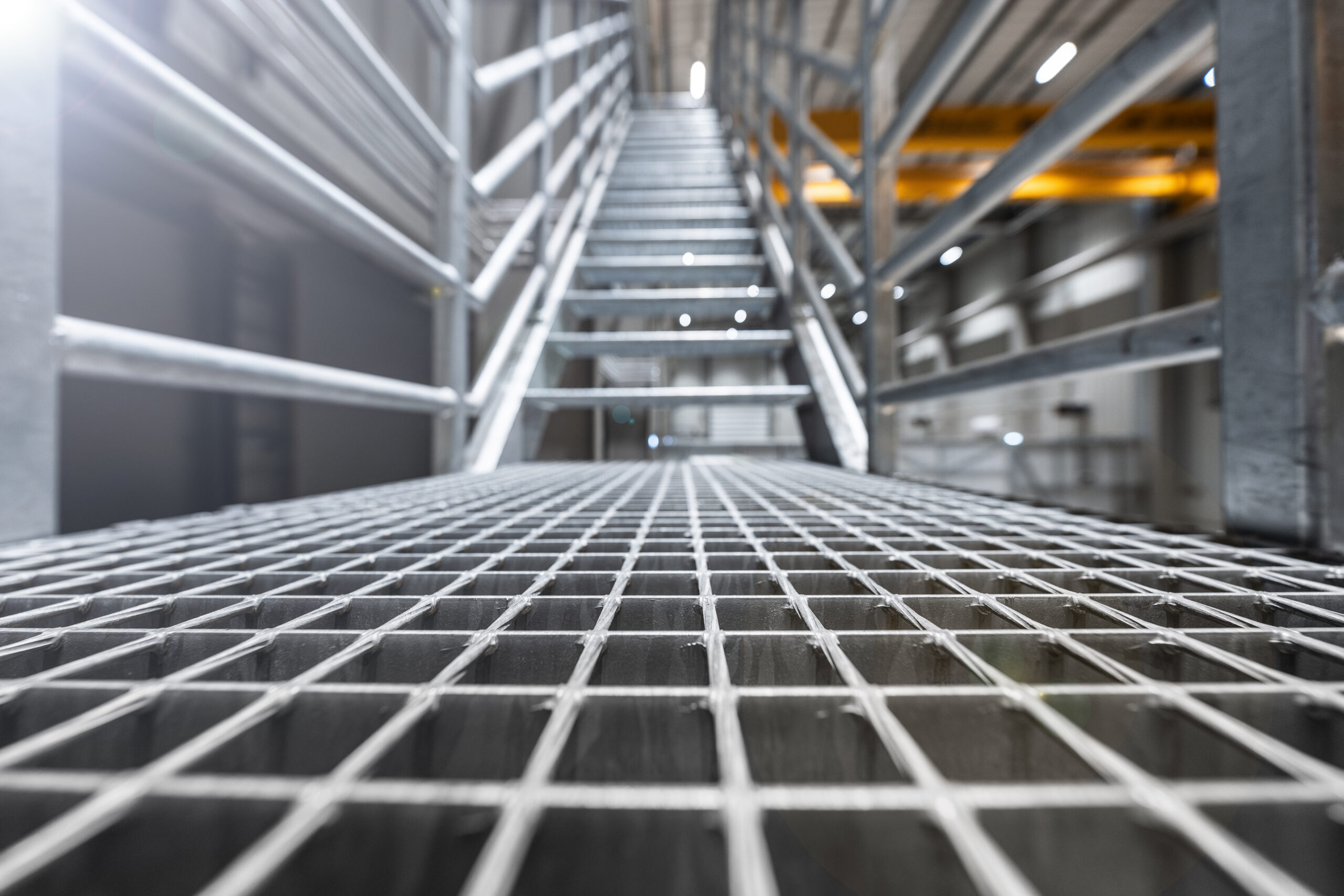
Grating is a necessary component of every facility, improving safety and access, providing drainage and ventilation, and managing debris.
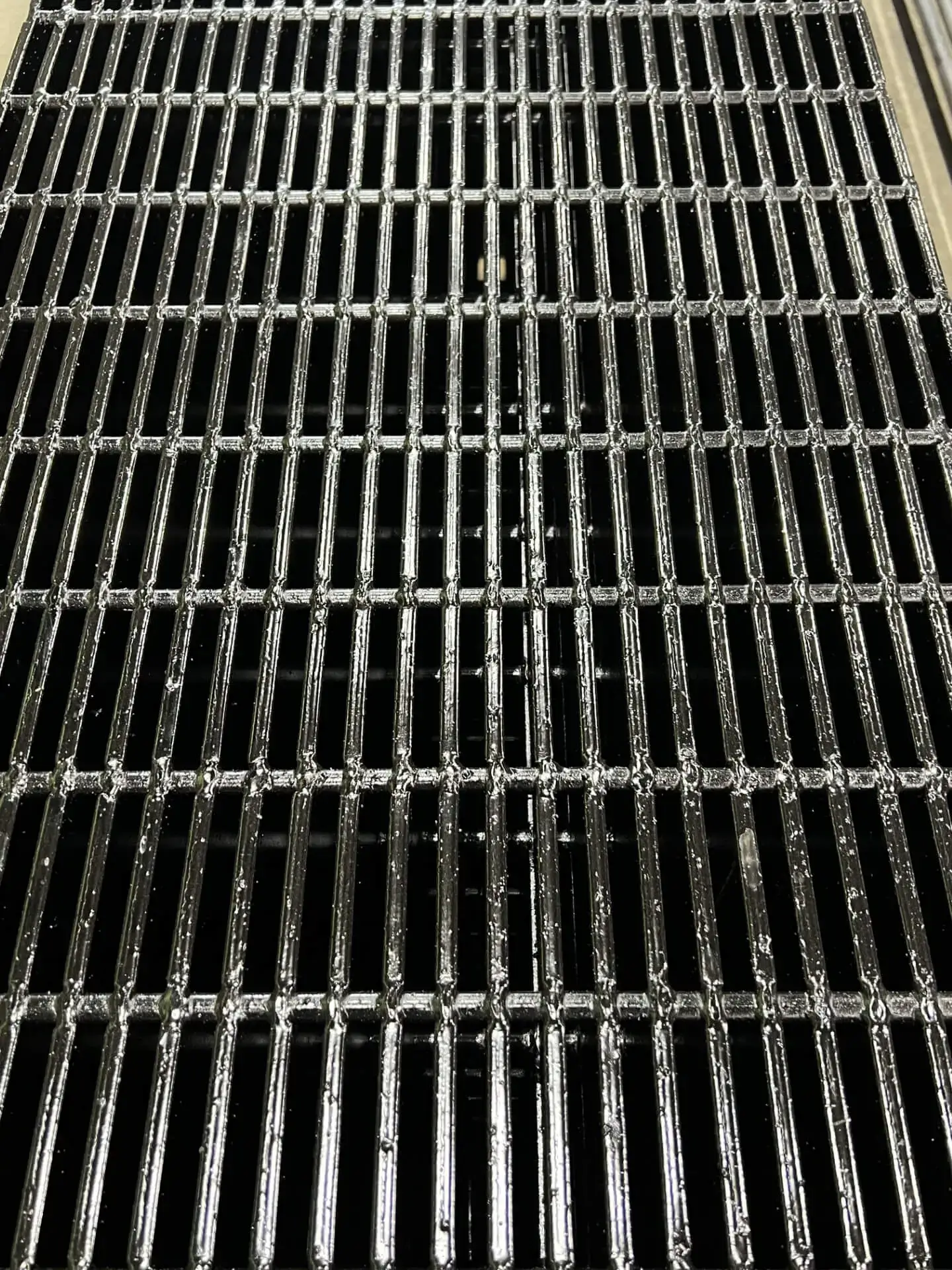
Grating is a necessary component of every facility, improving safety and access, providing drainage and ventilation, and managing debris. The problem is that every facility is different, not just in its size but also in the amount of traffic that runs through it, the materials that are handled within it, and its existing infrastructure.
While some standard products may be sufficient, some facilities need customized solutions to increase safety further. Here are just a few of the many ways Laurel Custom Grating can modify our standard products to enhance safety in your facility.
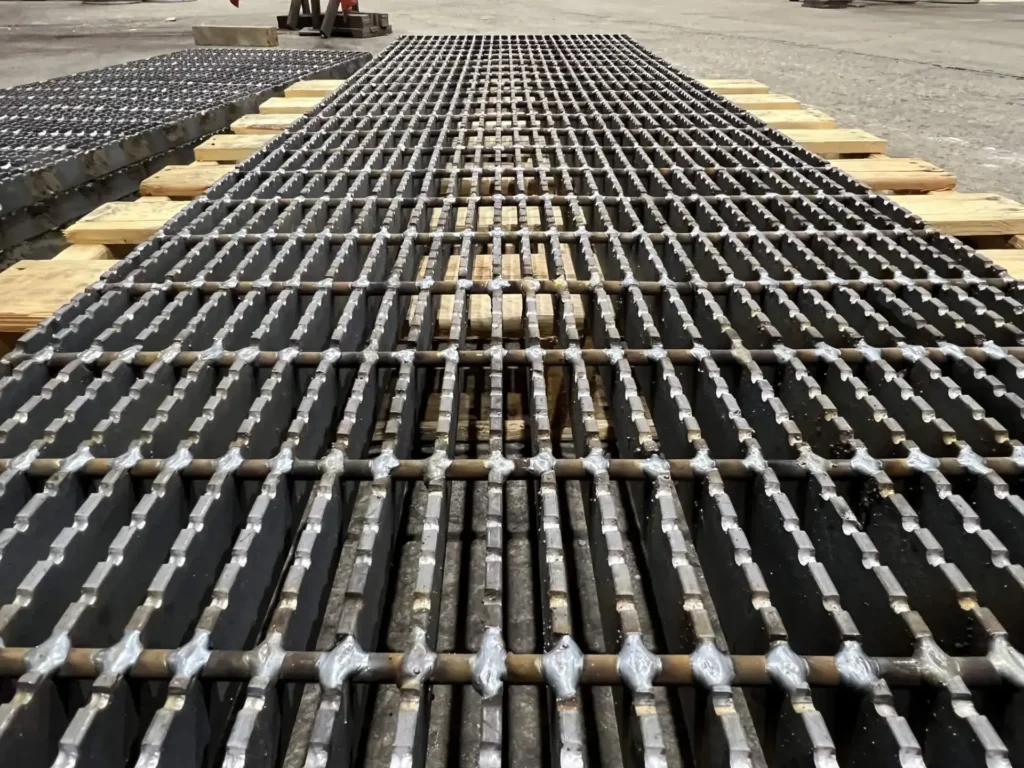
Grating can be modified to include textured bearing bars, including serrations. Serrated edges prevent slipping, making them ideal (and often required) for environments where spills are frequent. Even if oils, chemicals, or other debris accumulate, serrated bearing bars will still maintain their grip characteristics better than smooth surfaces. Serrations also help promote faster drainage.
A single grating’s concentrated load capacity varies based on bearing bar depth, thickness, spacing, and the material it’s constructed from, among other factors. Many manufacturers, including Laurel Custom Grating, can build custom solutions that support concentrated loads from forklifts, heavy machinery, storage systems, tanks, vehicles, conveyor crossings, and more.
If pedestrians are expected to walk across the grating, it will potentially need to be customized to have a heel-safe design. Standard grating is typically spaced at 1-3/16” center to center between bearing bars, but heel-safe designs feature ½” center to center spacing with a maximum ¼” clear opening.
Refineries, chemical plants, processing plants, treatment facilities, nuclear facilities, steel mills, and many other facilities need their grating to have integrated toe plates or raised edges. These features help reduce slip-and-fall incidents, provide better management in the event of liquid spills, especially chemicals, and help contain materials in debris-heavy environments rather than allowing them to fall through.
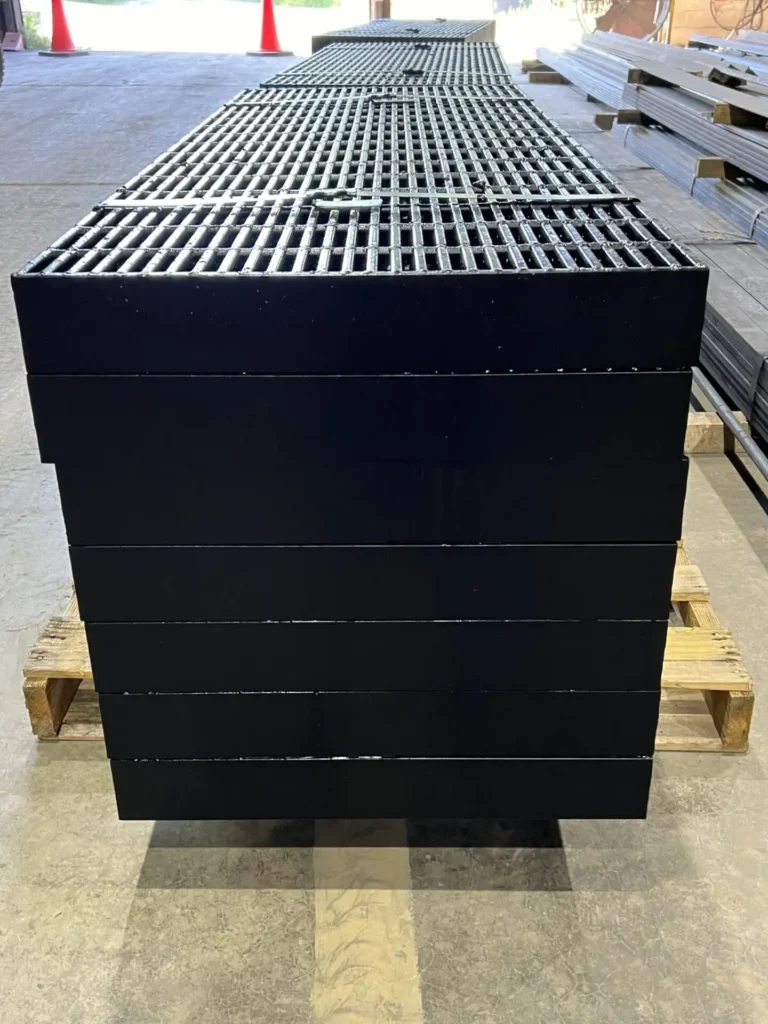
Grating can be customized with various finishes, including mill, paint, and hot-dip galvanized. The latter, in particular, is an exceptional solution for many industrial facilities because the galvanization process creates a bonded zinc coating that’s rust and corrosion-resistant, with a slight texture that can improve traction. It’s highly recommended for facilities in marine or coastal environments, wastewater treatment plants, outdoor facilities, food processing facilities, highway overpasses, and other harsh environments.
Founded in 1983, Laurel Custom Grating specializes in designing and fabricating heavy-duty custom steel grating solutions for various industries, including military, infrastructure, and construction. All grating solutions are welded to enhance strength and are available in mill, painted, or hot-dip galvanized finishes. Visit our website to learn more about our products, or contact us today if you need help finding your custom solution.
Heavy-duty grating has a higher load bearing capacity than standard-duty options. Learn more about best use cases for heavy-duty designs.
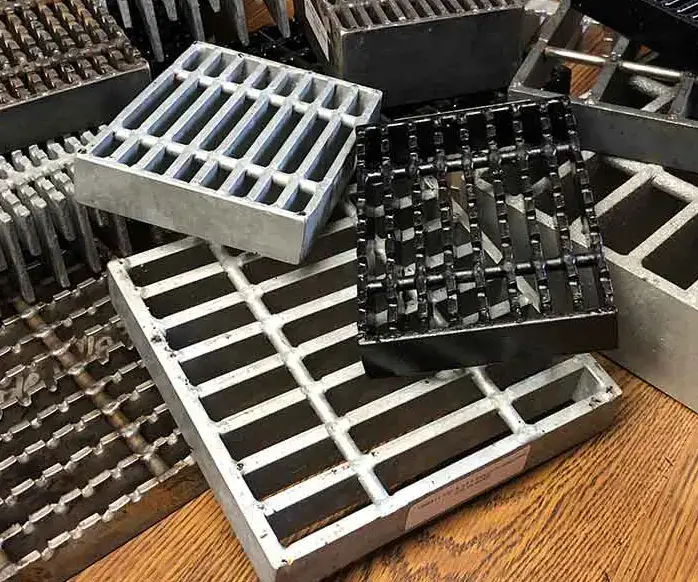
Does your application need welded or press-lock heavy-duty grating? This article explores the differences between the two designs, including benefits and use cases.
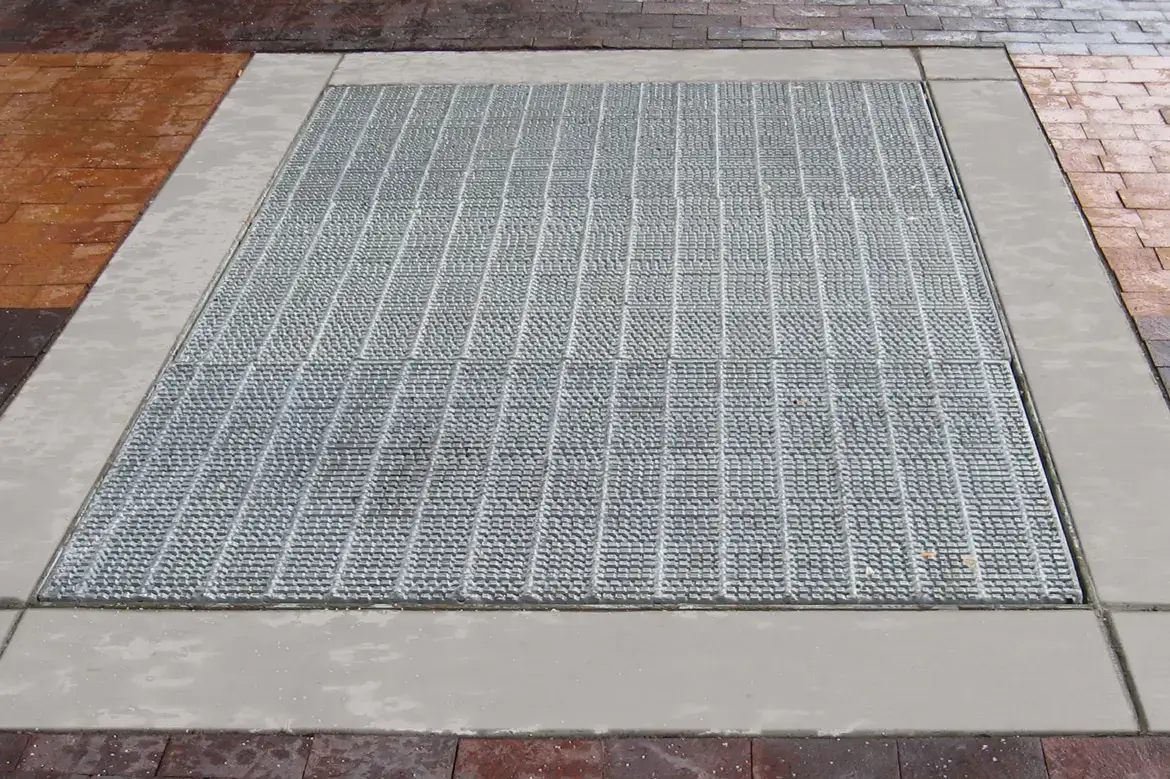
It’s easy to make mistakes when specifying ADA-compliant grating, whether it’s not accounting for slope or failing to consider installation conditions.
We’re ready to fulfill your manufacturing needs. Take the next step to work with Laurel Custom Grating as your source for heavy-duty grating solutions.