Blog
Welded Versus Press-Lock Heavy-Duty Grating
Does your application need welded or press-lock heavy-duty grating? This article explores the differences between the two designs, including benefits and use cases.
Jul 22, 2026

Heavy-duty grating has a higher load bearing capacity than standard-duty options. Learn more about best use cases for heavy-duty designs.
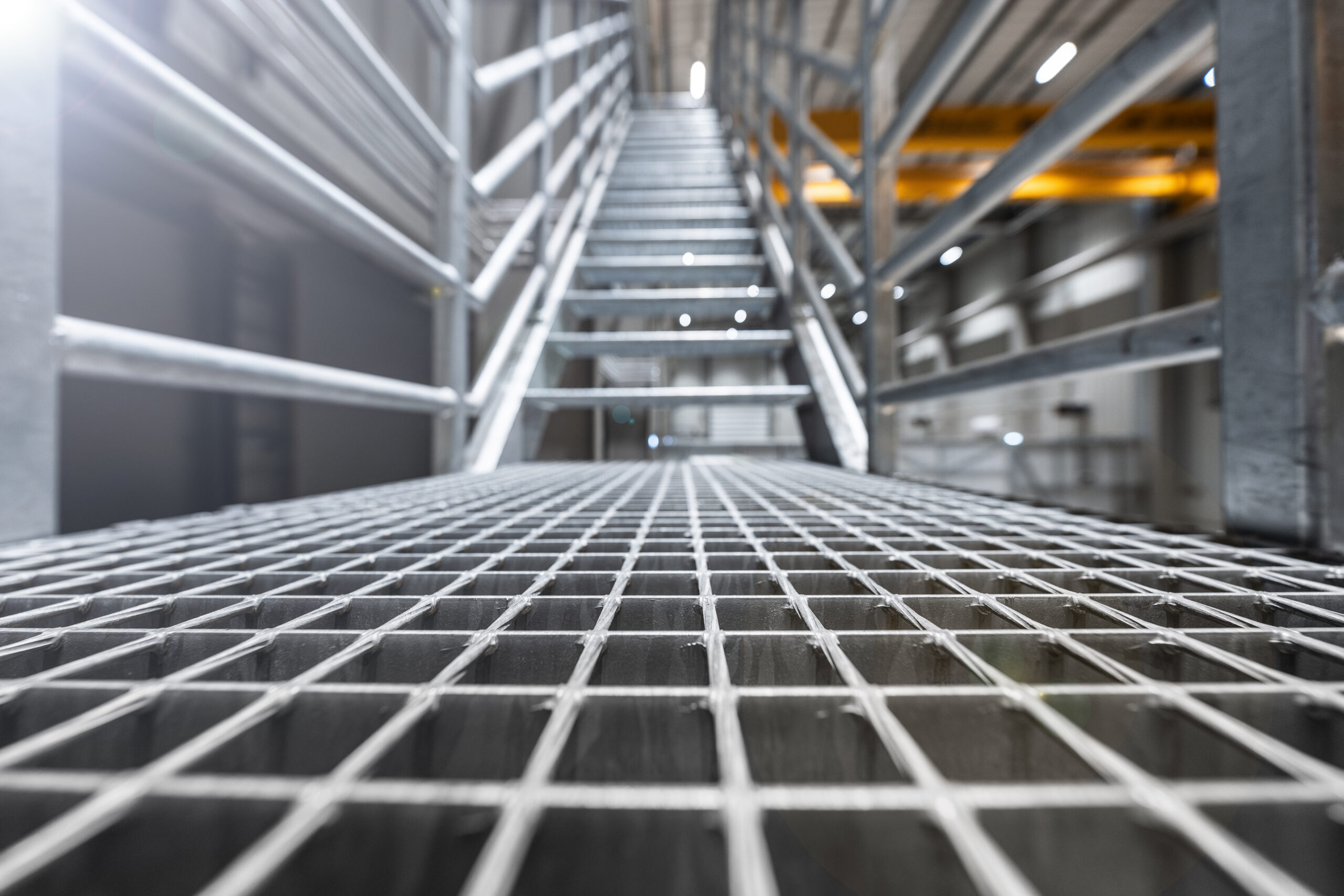
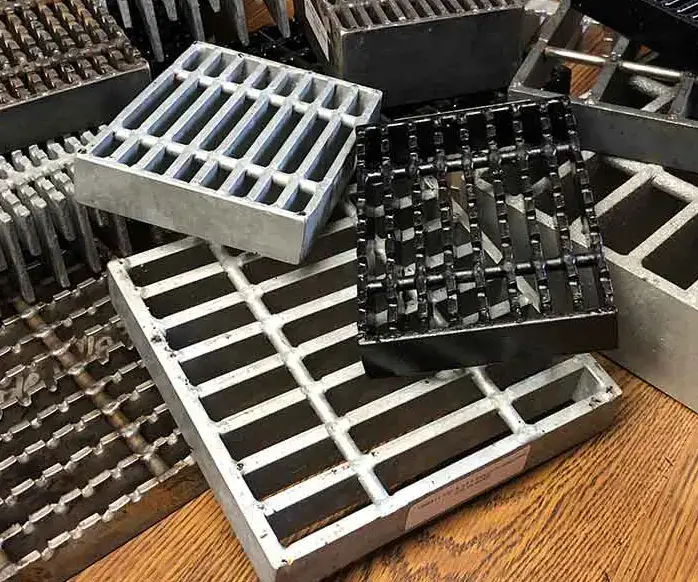
Steel grating improves safety in the workplace by providing a strong, slip-resistant surface. Grating can be classified by manufacturing method (e.g., welding versus pressing), surface type (serrated or non-serrated), and load-bearing capabilities (light-duty versus heavy-duty).
Heavy-duty steel grating is manufactured with deeper, thicker bearing bars and designed for use in high-load, high-stress applications, including:
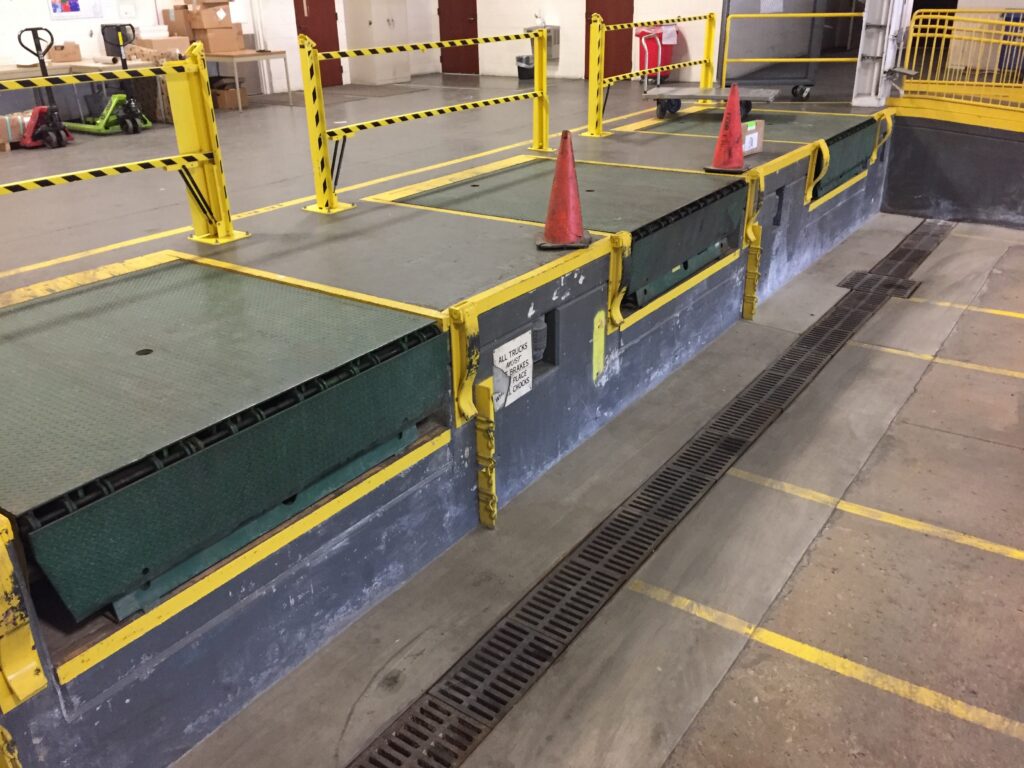
Heavy-duty grating is rated for wheel loads from forklifts, pallet jacks, trucks, and other heavy machinery, so it is often recommended for pit covers in warehouses, drainage covers in truck wash bays, and ventilation or drainage covers in parking structures. Light-duty grating would deform or fail under these types of heavy, concentrated loads.
Heavy-duty steel grating is frequently installed over drainage channels or utility trenches that see vehicle traffic. The open design lets water and debris pass through easily, and its deeper, heavier bearing bars support heavy rolling loads better than light-duty options.
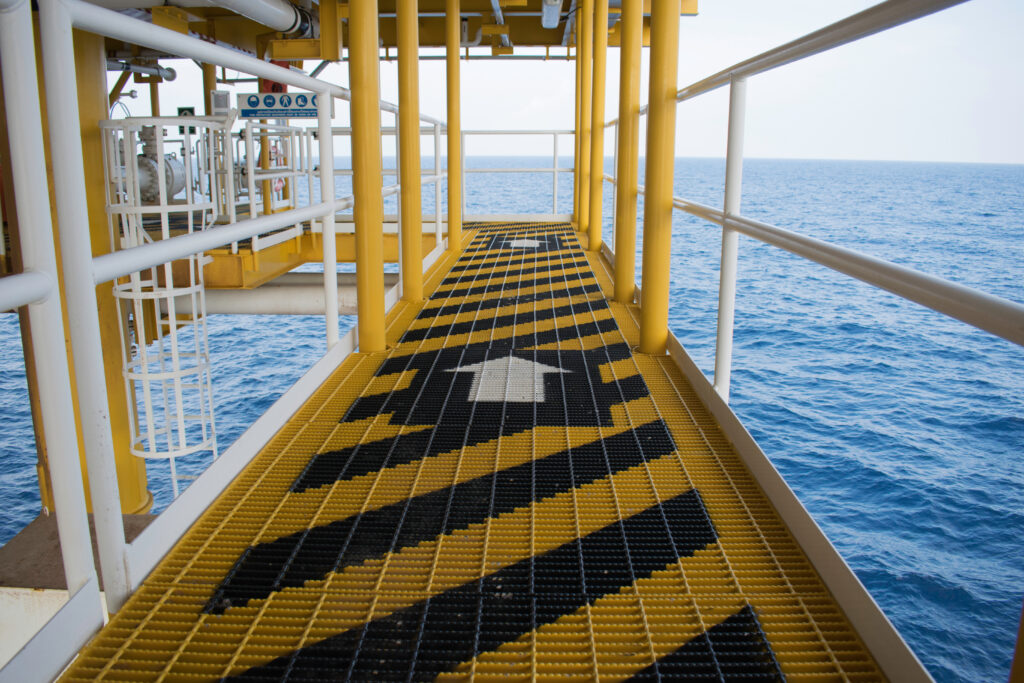
Heavy-duty grating works well when used on elevated work platforms, particularly in oil, gas, and petrochemical facilities. The grating helps with drainage and ventilation, and it can be serrated to add slip resistance in areas where oil and water are most present. Standard-duty grating is typically enough for pedestrian-only work platforms, while heavy-duty is recommended for platforms subjected to machinery traffic.
Whether elevated or not, heavy-duty grating keeps walkways stable under heavy loads, especially near machinery where maintenance crews may move heavy components. Grating can also cover open tanks and sumps, providing a safe walking surface and fall protection.
Laurel Custom Grating manufactures heavy-duty carbon steel grating for industrial facilities across the United States. Our standard and custom solutions are welded to improve load capacity and vibration resistance, and hot-dip galvanized to improve corrosion resistance.
Visit our website to learn more, or contact us today to speak with a representative.
Does your application need welded or press-lock heavy-duty grating? This article explores the differences between the two designs, including benefits and use cases.
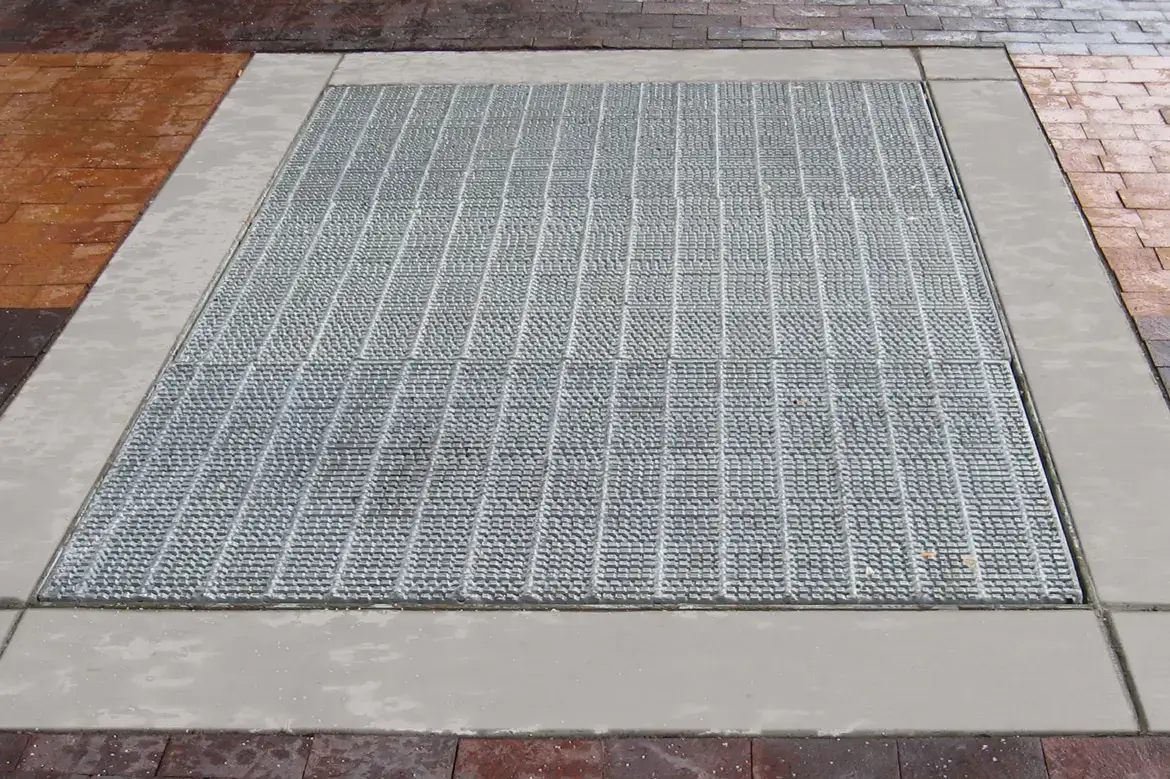
It’s easy to make mistakes when specifying ADA-compliant grating, whether it’s not accounting for slope or failing to consider installation conditions.

Learn more about the differences between mill finish, painted, and galvanized coatings, and best use cases for each.
We’re ready to fulfill your manufacturing needs. Take the next step to work with Laurel Custom Grating as your source for heavy-duty grating solutions.