
Blog
Choosing the Best Steel Grating Finish
Learn more about the differences between mill finish, painted, and galvanized coatings, and best use cases for each.
Mar 20, 2026

Roadway inlets are critical infrastructural components, and the choice of material used in their manufacturing determines their overall lifespan. Learn more.
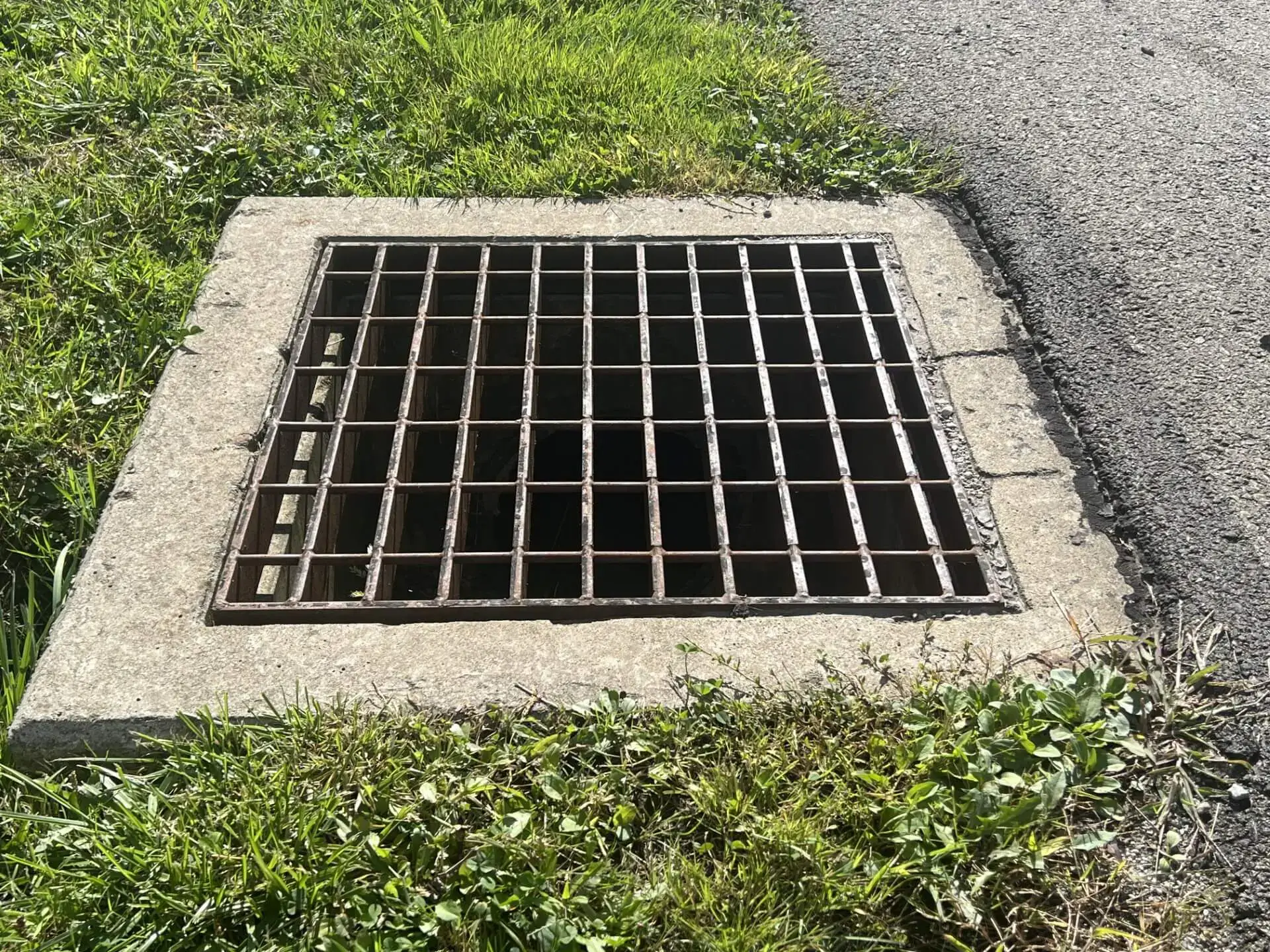
Gratings, including roadway inlets and frames, are critical yet often-ignored infrastructure components. If they’re not manufactured correctly, the risk of flooding or, at worst, serious injuries increases.
One factor that determines the durability and resilience of these components is the material used in manufacturing. In this article, we’ll explore why.
Steel, particularly carbon steel, is often preferred when manufacturing grating because it’s affordable and strong. The downside is that it’s not corrosion-resistant like stainless steel or aluminum. If the grating is to be used in an outdoor application or in a corrosive environment, hot-dip galvanized steel is used. In this process, the carbon steel undergoes galvanization, in which a protective zinc coating is applied. Instead of steel degrading over time, the zinc coating slowly degrades over several decades, keeping the steel safe and protecting the overall structure.
Carbon steel offers the highest strength-to-thickness ratio, so even thinner profiles can still meet heavy-load requirements. This is why carbon steel is the preferred choice for roadway inlets and other steel grating that’s expected to perform reliably under heavy traffic and truck loads.
Carbon steel’s higher modulus of elasticity also means less deflection under load, so even under heavy traffic, the frames within the grating system maintain position and don’t sag, preventing ineffective drainage and potential flooding.
In terms of impact, maintenance is low on the list. Load requirements and environment should always be the higher-priority factors when determining the material used for grating.
The maintenance needs for carbon steel, stainless steel, and aluminum vary depending on the environment they’re used in. In outdoor applications, stainless steel offers the most corrosion resistance, followed by aluminum, so they need to be maintained less frequently.
Bare carbon steel would never be recommended for outdoor applications—it’s always galvanized. Galvanized carbon steel does have to be recoated (or replaced, depending on the level of damage) once the zinc coating degrades, but unless the carbon steel is used in a highly corrosive industrial environment or in an area where salt is frequently broadcast on highways, it would take decades before that’s necessary.
Galvanized carbon steel is the best option for roadway applications because it has the highest load-bearing capacity, is readily available and easy to fabricate, and isn’t as expensive as aluminum or stainless steel.
If the grating is used in a marine or coastal environment and weight-critical applications, like on a boat ramp or boardwalk, then serrated aluminum could be the best option because it’s lightweight and provides excellent saltwater corrosion resistance. It shouldn’t be used in applications requiring high strength or in areas that require frequent cleaning, such as meat, poultry, or seafood processing.
Stainless steel is expensive, but it may be necessary for applications that prioritize corrosion resistance and sanitation, such as in the food processing and medical industries. Stainless steel also offers high-temperature resistance, so it’s often recommended for environments that frequently experience extreme heat, such as around thermal processing equipment or in steam plants.
Laurel Custom Grating manufactures and supplies ready-to-ship, PennDOT-approved, carbon steel roadway grates and frames, as well as custom options for precast or cast-in-place drainage boxes and troughs.
All grating we produce is made in the U.S. with domestically sourced materials.
Visit our website to learn more about our solutions, or contact us today if you need help determining which grating material is best for your specific project.
Learn more about the differences between mill finish, painted, and galvanized coatings, and best use cases for each.

Slip-and-fall incidents aren’t uncommon in manufacturing facilities. Learn how custom grating can help you create safer walkways.
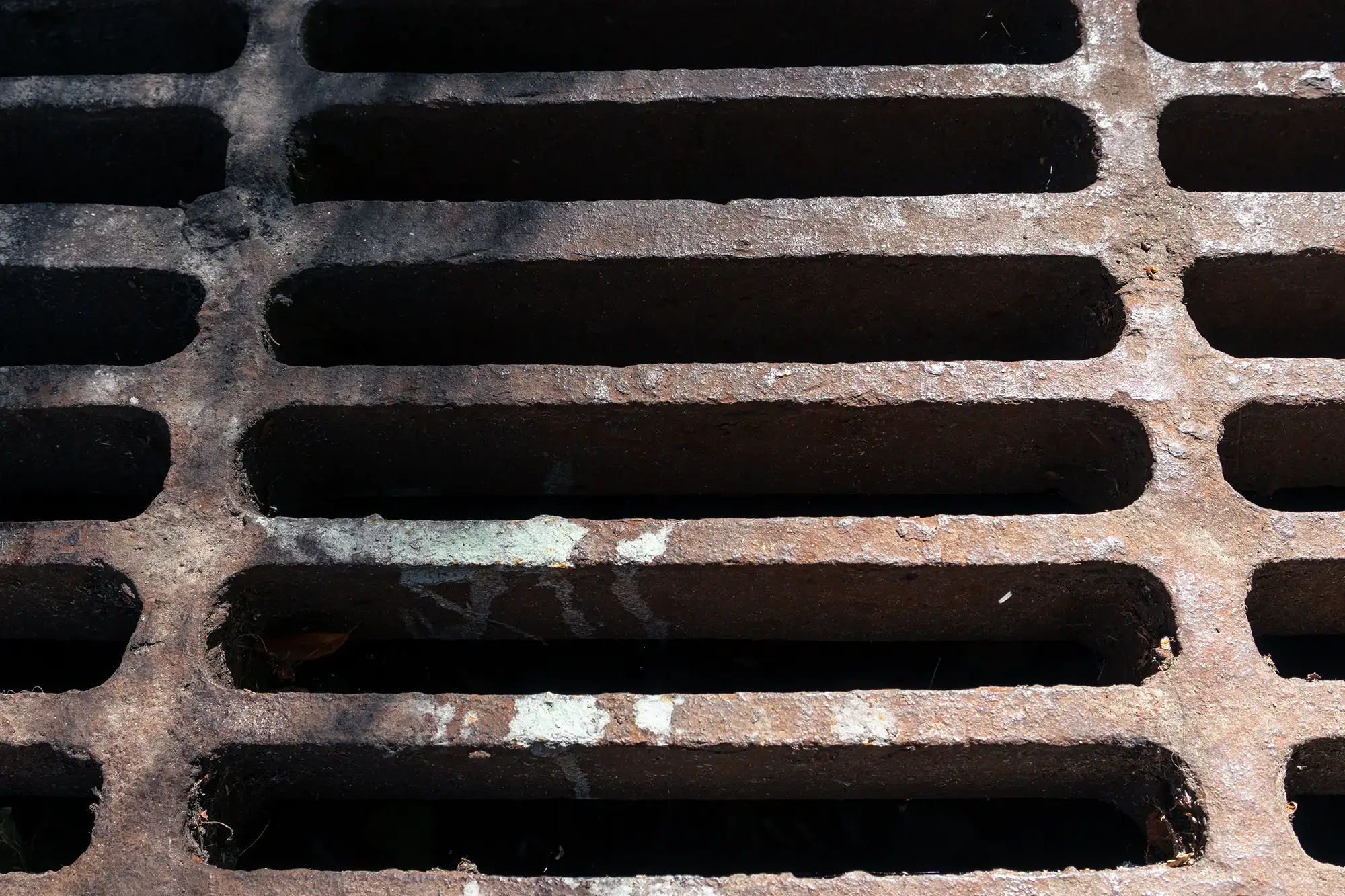
If designed and manufactured incorrectly, steel grating will fail over time. Learn more about the common causes of failure and how to prevent it.
We’re ready to fulfill your manufacturing needs. Take the next step to work with Laurel Custom Grating as your source for heavy-duty grating solutions.