Blog
How Material Choice Impacts Inlet & Frame Durability
Roadway inlets are critical infrastructural components, and the choice of material used in their manufacturing determines their overall lifespan. Learn more.
Jan 26, 2026

Learn more about the differences between mill finish, painted, and galvanized coatings, and best use cases for each.

Although carbon steel doesn’t have great corrosion resistance, it’s the most commonly used material for heavy-duty industrial grating because of its high tensile and yield strength. Carbon steel can support substantial static and dynamic loads and, compared to more corrosion-resistant materials like stainless steel and aluminum, is more cost-efficient. Carbon steel also has good weldability and machinability, allowing grating to be custom-sized to meet unique application needs or modified on-site if needed.
When industrial applications demand grating with better durability and/or environmental resistance, the answer is protective coatings, including mill finish, painted, and galvanized.
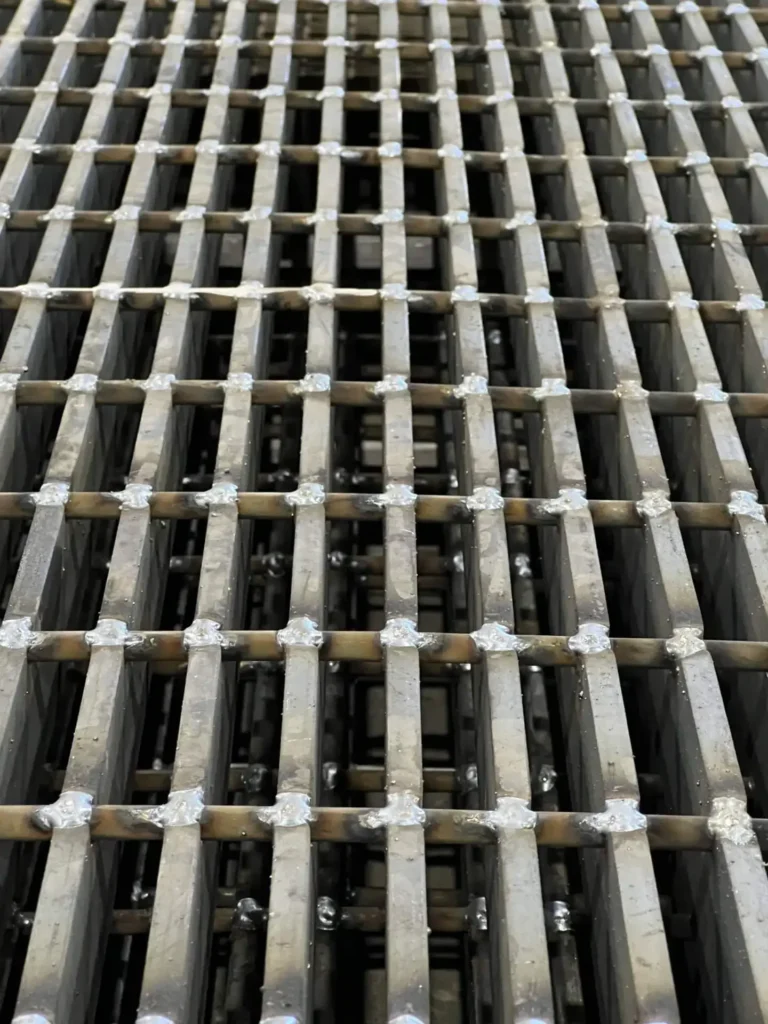
Mill finish refers to carbon steel that undergoes extrusion and forms mill scale (a mixture of iron oxides) during hot rolling. It’s the least protective of all the available finishes.
Because mill finish grating offers the least corrosion resistance, we would only recommend using these in a dry, indoor environment, in temporary situations, or if you need a quick solution and plan to apply a coating later.
We do not recommend mill finish for outdoor or highly corrosive environments, including chemical processing plants or wastewater facilities, as the grating will rust quickly.
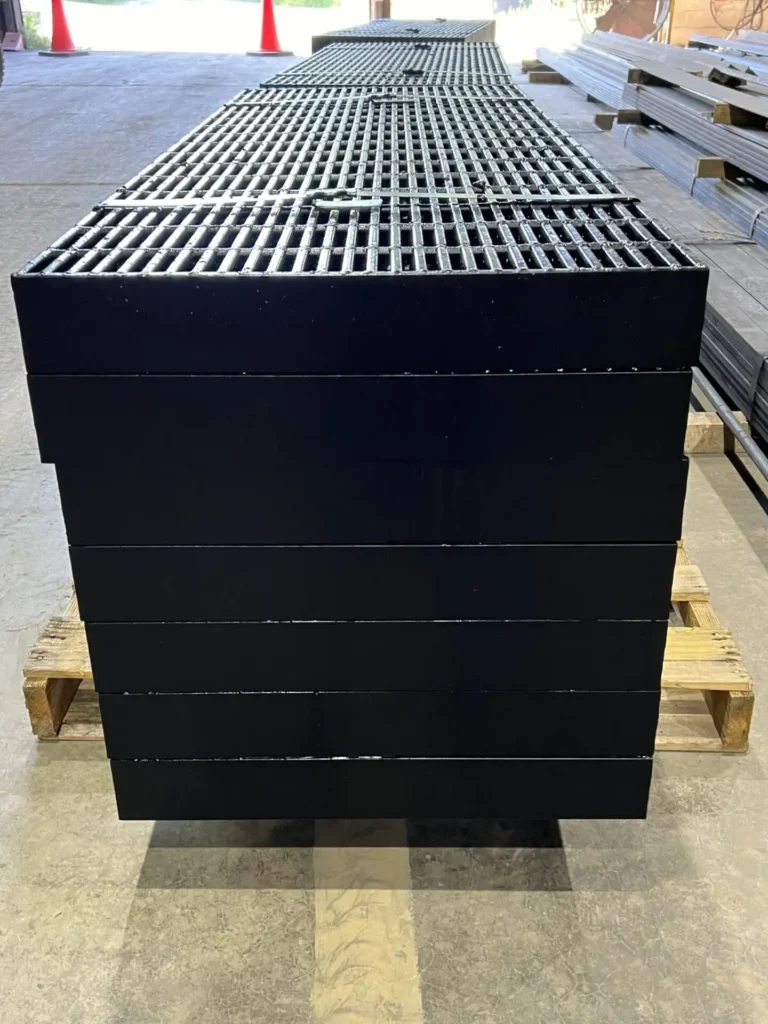
This finish type involves dipping the grating into a paint pot. Painted finishes offer better corrosion resistance than mill finish grating, making them ideal for moderate outdoor applications.
Painted grating is great for moderately corrosive facilities or in safety walkways or restricted zones.
Painted grating isn’t ideal for highly corrosive environments, especially when exposed to solvents, acids, or alkalis, as these can attack and degrade the paint. We also wouldn’t recommend painted grating for wet or submerged environments, or for areas exposed to heavy foot traffic, because the paint will eventually chip.
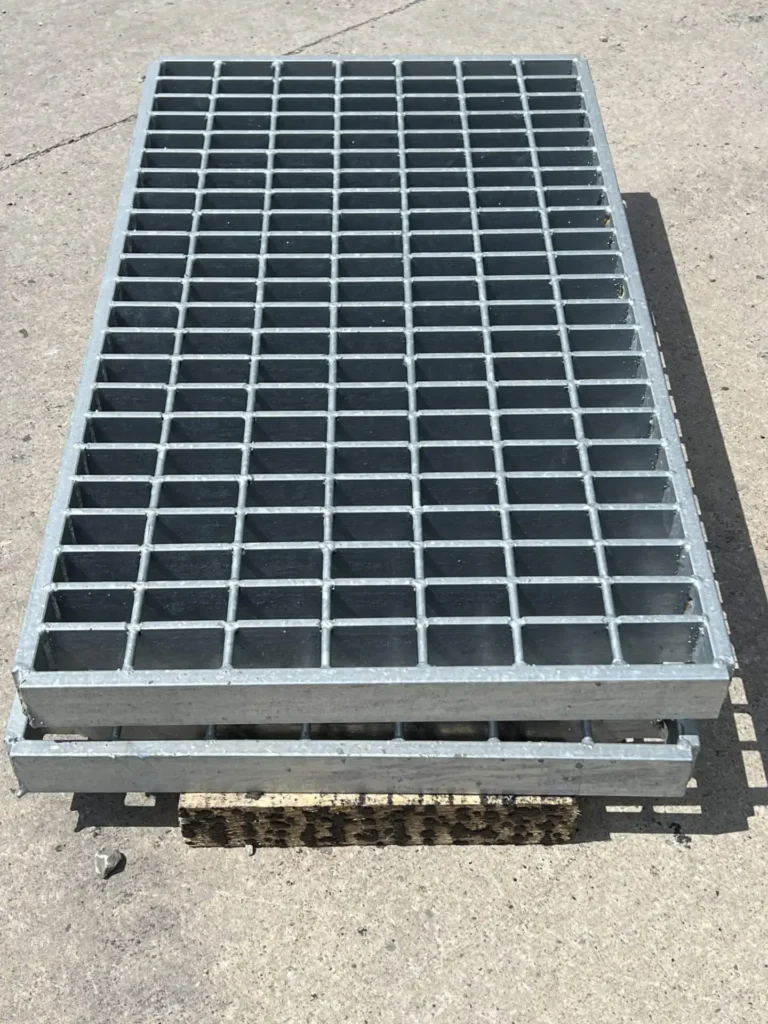
Hot-dip galvanized coatings offer the best corrosion resistance because they are immersed in molten zinc, which forms multiple alloy layers followed by a pure zinc outer layer on the carbon steel. Corrosive materials attack the zinc layer rather than the carbon steel.
Galvanized carbon steel grating can be used reliably in outdoor applications, wastewater treatment plans, chemical processing facilities, and some marine environments.
Although highly durable, zinc will corrode quickly when exposed to industrial chemicals such as ammonia and bleach, as well as in highly acidic or alkaline conditions. Galvanized steel will also degrade quickly when continuously exposed to high temperatures (above 390°F).
Laurel Custom Grating manufactures heavy-duty grating for a wide range of industrial environments and applications. We provide stock grating or can custom-fabricate solutions based on specific requirements. Our grating is made from carbon steel, is welded for enhanced durability, and can be painted, mill finished, or galvanized.
Visit our website to learn more, or contact us today to let us know what we can help you design.
Roadway inlets are critical infrastructural components, and the choice of material used in their manufacturing determines their overall lifespan. Learn more.

Slip-and-fall incidents aren’t uncommon in manufacturing facilities. Learn how custom grating can help you create safer walkways.
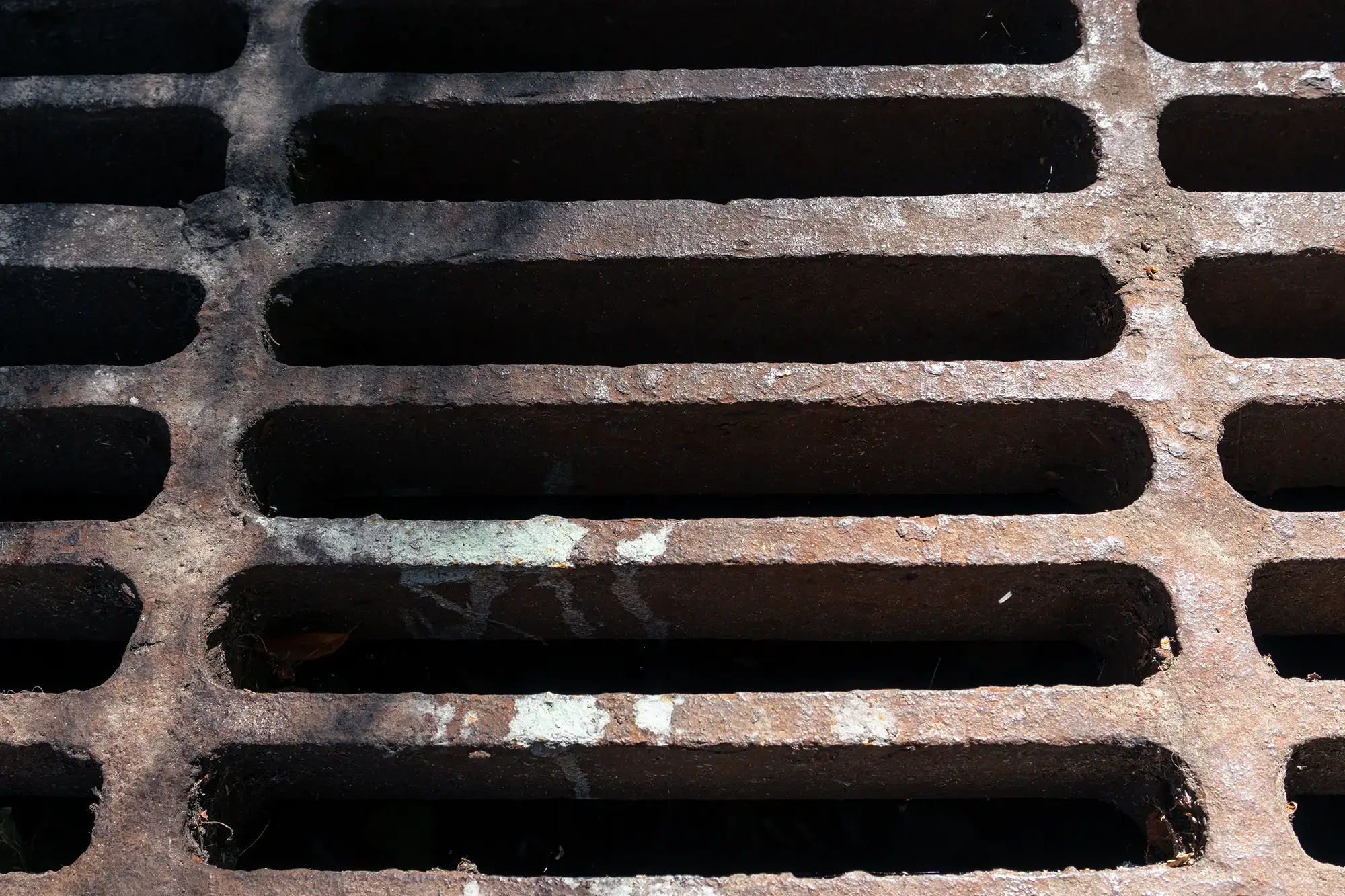
If designed and manufactured incorrectly, steel grating will fail over time. Learn more about the common causes of failure and how to prevent it.
We’re ready to fulfill your manufacturing needs. Take the next step to work with Laurel Custom Grating as your source for heavy-duty grating solutions.